Retired U.S. Army general Jack Keane is warning that the latest developments in the Middle East mark more than a routine escalation—they represent a potentially pivotal shift in strategy and risk across the region.
Speaking in a recent interview, Keane described the situation as “quite significant,” pointing to a change in the type and level o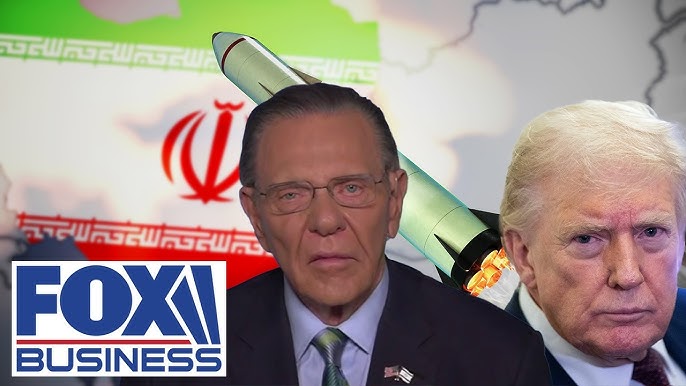 f targets being struck. Rather than focusing solely on infrastructure or proxy forces, recent actions have reportedly reached deeper into leadership networks and command structures.
A Shift in Targeting Strategy
According to Keane, the defining feature of this moment is the move toward high-value targets—individuals and systems directly responsible for planning and coordinating military operations. This kind of targeting is qualitatively different from previous exchanges.
By aiming at leadership and command nodes, military operations can:
- Disrupt decision-making chains
- Slow or fracture coordinated responses
- Reduce the effectiveness of proxy groups operating across the region
Keane emphasized that such actions are rarely taken lightly. They often signal a deliberate effort not just to retaliate, but to reshape the strategic environment.
Implications for Iran and Israel
The broader context involves tensions between Iran and Israel, whose long-standing shadow conflict has increasingly moved into more direct forms of confrontation.
If leadership elements tied to Iranian operations are being targeted, Keane suggests the consequences could include:
- A temporary disruption in Iran’s regional coordination
- Pressure on its network of allied militias
- Incentives for retaliation that could widen the conflict
At the same time, such strikes may reflect a calculation that degrading command capabilities now could prevent larger threats later.
Risk of Escalation
Keane cautioned that while these actions may offer tactical or even operational advantages, they also carry significant risks. Striking deeper into an adversary’s leadership structure can provoke stronger and less predictable responses.
This raises concerns about:
- A broader regional conflict involving multiple actors
- Increased volatility across already fragile areas
- The possibility of miscalculation leading to rapid escalation
Strategic Significance
Ultimately, Keane’s characterization of the moment as “quite significant” rests on one core idea: the rules of engagement may be changing.
When conflicts shift from indirect pressure and proxy engagements to more direct, high-level targeting, they enter a new phase—one where outcomes become harder to control and consequences more far-reaching.
Whether this development leads to deterrence or further escalation remains uncertain. But in Keane’s view, it is a moment that policymakers and observers alike should take seriously.