Dre’s Cobra Strike Leaves Cheng Shook: A Defining Moment in The Karate Kid (2026)
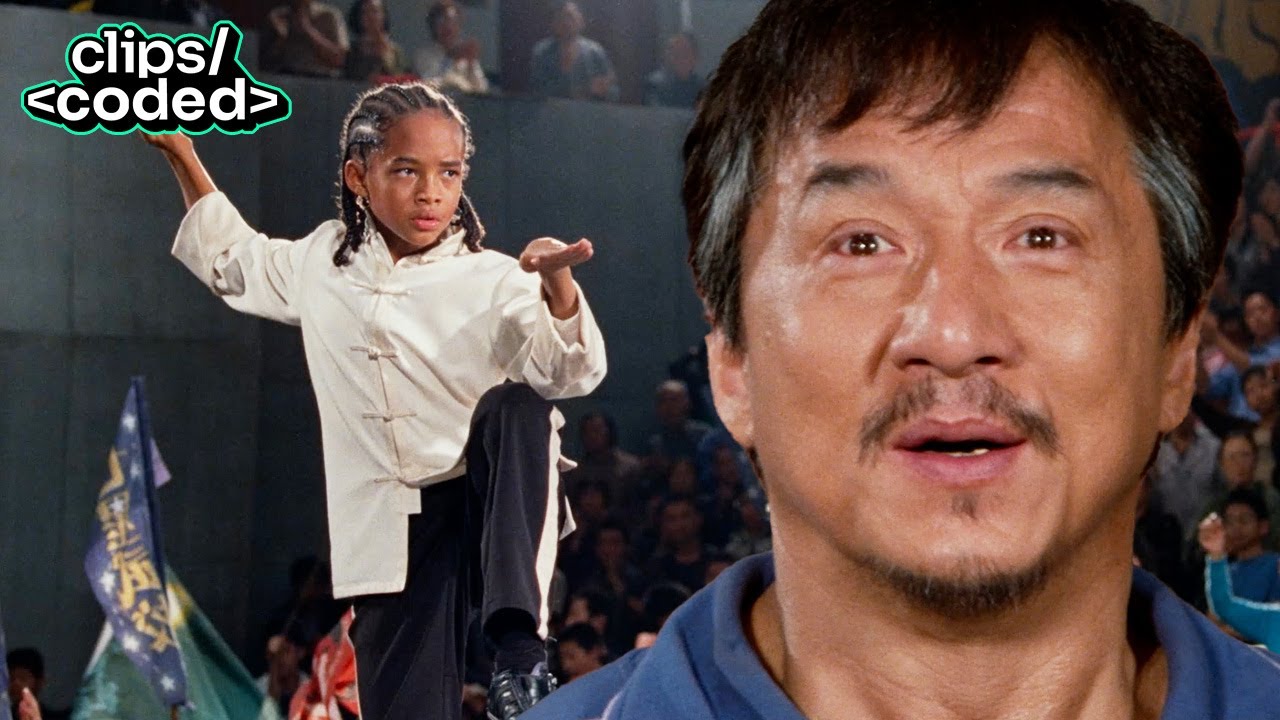
In one of the most intense and emotionally charged moments of The Karate Kid (2010), audiences witness a turning point that reshapes the dynamic between Dre Parker and his longtime rival, Cheng. The scene—often referred to by fans as “Dre’s Cobra Strike”—is more than just a display of martial arts prowess. It’s a symbolic clash of philosophies, resilience, and personal growth that elevates the film beyond a simple coming-of-age story.
A Rivalry Fueled by Fear and Pride
From the moment Dre Parker, played by Jaden Smith, arrives in Beijing, he finds himself at odds with Cheng, portrayed by Zhenwei Wang. Their rivalry begins as a typical schoolyard conflict but quickly escalates into something deeper and more dangerous. Cheng, trained in a harsh and aggressive style of kung fu under the strict eye of Master Li, embodies intimidation and dominance.
Dre, on the other hand, starts as an outsider—physically unprepared and emotionally overwhelmed. His early encounters with Cheng are marked by fear and defeat, setting the stage for a dramatic transformation. The tension between the two characters builds steadily, culminating in the tournament where Dre’s now-famous “cobra strike” changes everything.
The Philosophy Behind the Strike
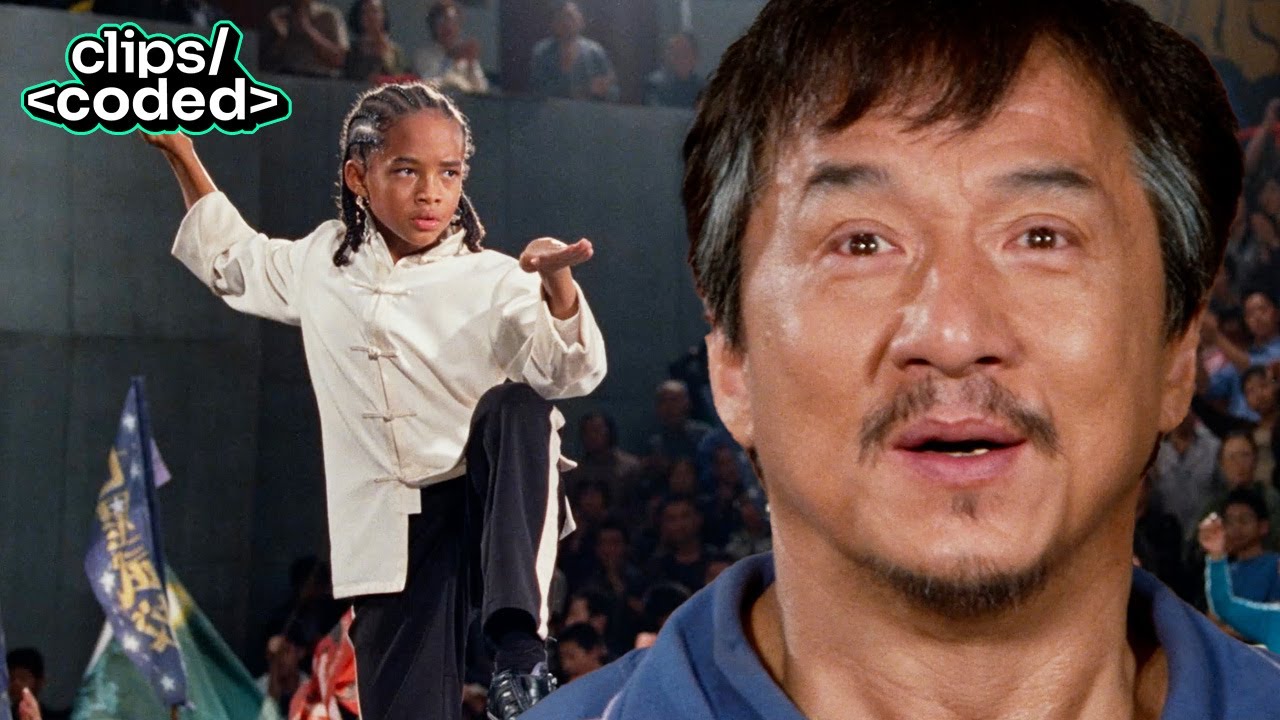
Unlike the brutal techniques taught by Master Li, Dre’s training under Mr. Han, played by Jackie Chan, emphasizes balance, discipline, and self-control. Mr. Han’s unconventional methods—such as repetitive jacket drills—teach Dre not just how to fight, but how to think and react.
The cobra strike itself symbolizes this transformation. It’s not fueled by anger or revenge but by precision and clarity. When Dre executes the move during the final tournament match, it reflects his growth from a frightened boy into a focused martial artist.
The Moment That Shook Cheng
As the tournament reaches its climax, Cheng enters the final match with confidence, backed by his previous dominance and aggressive training. However, the tide begins to turn as Dre demonstrates agility, strategy, and composure. The defining moment arrives when Dre delivers the cobra strike—a swift, calculated maneuver that catches Cheng off guard.
The impact is immediate. Cheng, who had always relied on intimidation, is visibly shaken. For the first time, he faces an opponent who not only matches his skill but surpasses his mindset. The strike is not just physical; it disrupts Cheng’s psychological advantage.
Audiences see a rare vulnerability in Cheng. His expression shifts from confidence to disbelief, highlighting the emotional weight of the moment. It’s a subtle yet powerful portrayal of how deeply the strike affects him.
A Shift in Power Dynamics
Dre’s cobra strike marks a turning point not only in the match but in the entire narrative. Up until this moment, Cheng has been the dominant force—both physically and mentally. The strike flips that dynamic, placing Dre in control.
This shift is significant because it challenges the core philosophy instilled in Cheng by Master Li. The aggressive, “no mercy” approach begins to crumble when faced with Dre’s disciplined and balanced technique. It’s a clear message that strength without control is ultimately flawed.
The Emotional Aftermath
What makes this scene truly memorable is its emotional resonance. After the match, Cheng’s reaction is not one of anger but of realization. He acknowledges Dre’s skill and, in a powerful gesture of respect, bows to him. This moment signifies the end of their rivalry and the beginning of mutual understanding.
For Dre, the victory is not about defeating an enemy but about overcoming his own fears and limitations. The cobra strike becomes a metaphor for personal growth—a culmination of his journey throughout the film.
Cultural and Cinematic Impact
The cobra strike scene has become one of the most iconic moments in modern martial arts cinema. It blends traditional kung fu elements with contemporary storytelling, making it accessible to a global audience. The choreography, combined with the emotional stakes, creates a sequence that resonates long after the credits roll.
Director Harald Zwart masterfully captures the intensity of the moment, using close-ups and dynamic camera angles to emphasize both the physical and emotional impact of the strike. The scene is further enhanced by a powerful musical score that heightens the tension and release.