Trump Fully Surrenders to Iran as Ceasefire Entered: A Turning Point in Global Politics
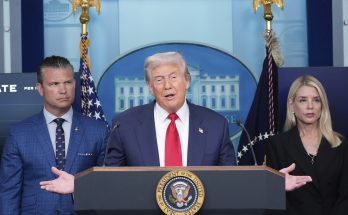
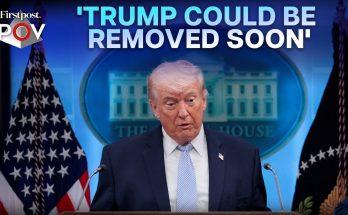
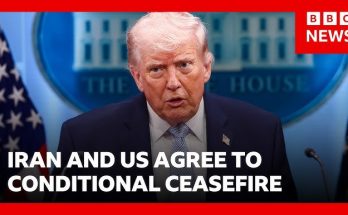
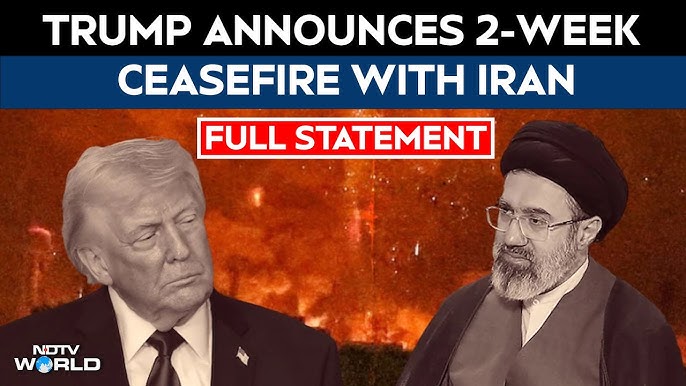
In a stunning and controversial development that has sent shockwaves across the international community, Donald Trump has reportedly agreed to a sweeping ceasefire arrangement with Iran, marking what many analysts are calling a dramatic shift in U.S. foreign policy posture. The agreement, described by some critics as a “full surrender,” has ignited fierce debate among political leaders, military experts, and global observers.
A Sudden Shift in Strategy
For years, tensions between the United States and Iran have simmered just below the surface, occasionally boiling over into direct confrontations and proxy conflicts across the Middle East. Under Trump’s leadership, the U.S. adopted a hardline stance toward Iran, withdrawing from the Joint Comprehensive Plan of Action and imposing strict economic sanctions aimed at crippling Iran’s economy.
However, the newly announced ceasefire suggests a stark reversal. According to early reports, the agreement includes a halt to military operations, a gradual easing of certain sanctions, and renewed diplomatic engagement. While supporters argue this move prevents further escalation and potential war, critics claim it represents a capitulation that undermines U.S. credibility on the global stage.
What the Ceasefire Includes
Though full details are still emerging, key elements of the ceasefire reportedly include:
- Immediate cessation of hostilities between U.S. and Iranian forces and their regional allies
- A phased rollback of economic sanctions imposed during the Trump administration
- Reopening of diplomatic communication channels
- Commitments from Iran to limit certain military activities in contested regions
This agreement is being framed by some as a pragmatic step toward stability, while others see it as a concession that grants Iran strategic advantages without sufficient guarantees in return.
Domestic Reactions in the United States
The response within the United States has been deeply divided. Some lawmakers and foreign policy experts praise the ceasefire as a necessary move to avoid another prolonged conflict in the Middle East. They argue that diplomacy, even when it involves compromise, is preferable to military escalation.
On the other hand, critics—particularly among Trump’s traditional base—have expressed outrage. Many view the agreement as inconsistent with the administration’s previous rhetoric and policies. The phrase “full surrender” has been widely circulated in political commentary, reflecting a perception that the U.S. gave up leverage without achieving meaningful concessions.
Prominent voices in Washington have called for greater transparency, demanding that the administration release the full terms of the deal and explain its long-term strategic implications.
Iran’s Perspective
From Iran’s standpoint, the ceasefire represents a significant diplomatic victory. After years of economic pressure and isolation, the easing of sanctions could provide much-needed relief to its economy. Iranian officials have framed the agreement as evidence that resistance to U.S. pressure has paid off.
State media in Iran has emphasized themes of resilience and sovereignty, portraying the outcome as a validation of its foreign policy approach. However, some observers caution that internal political dynamics within Iran may influence how the agreement is implemented moving forward.
Global Implications
The ceasefire has far-reaching consequences beyond the U.S. and Iran. Key allies in the region, including Israel and Saudi Arabia, are reportedly обеспed about the shift in U.S. policy. Both nations have historically viewed Iran as a major threat and may interpret the agreement as a weakening of U.S. commitment to their security.
Meanwhile, international powers such as Russia and China are closely watching developments. The ceasefire could reshape alliances and influence the balance of power in the region, potentially opening the door for new diplomatic and economic partnerships.
Strategic Debate: Peace or Weakness?
At the heart of the controversy lies a fundamental question: does this ceasefire represent a strategic success or a dangerous concession?
Supporters argue that avoiding war with Iran is a significant achievement. They point to the high costs—both human and economic—of military conflict and emphasize the importance of diplomatic solutions in an increasingly complex global landscape.
Critics, however, contend that the agreement sends the wrong message to adversaries. They worry that it may embolden not only Iran but other nations that challenge U.S. influence. The concern is that perceived weakness could invite further aggression, undermining long-term stability.
What Comes Next?
The durability of the ceasefire remains uncertain. Much will depend on how both sides adhere to the agreement and whether trust can be built after years of hostility. Monitoring mechanisms, enforcement provisions, and continued diplomatic engagement will all play crucial roles in determining the outcome.
For Trump, this decision may prove to be one of the most defining moments of his political legacy. Whether it is ultimately judged as a bold step toward peace or a controversial retreat will depend on how events unfold in the months and years ahead.
Conclusion
The ceasefire between the United States and Iran marks a pivotal moment in modern geopolitics. It highlights the complexities of international diplomacy, where decisions often involve difficult trade-offs and uncertain outcomes.
As the world watches closely, one thing is clear: this agreement has reshaped the conversation around U.S. foreign policy and will continue to spark debate across political and ideological lines. Whether seen as a surrender or a strategic recalibration, its impact will be felt far beyond the immediate headlines.