🔑 What actually happened
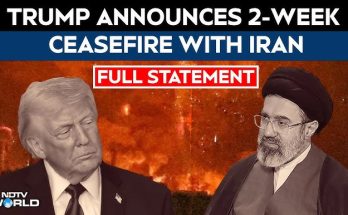
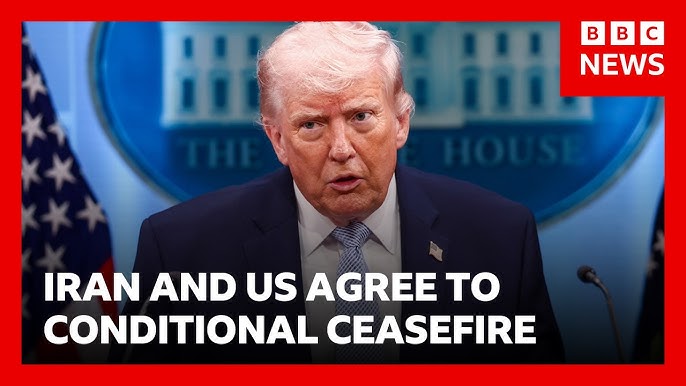
The United States and Iran have agreed to a temporary, conditional ceasefire, not a full peace deal or surrender.
The ceasefire is limited (about two weeks) and described as provisional or conditional.
It was brokered with help from Pakistan and other mediators.
It came just before a U.S. military escalation deadline set by Donald Trump.
🚢 The key condition: Strait of Hormuz
The most important part of the agreement:
Iran agreed to reopen the Strait of Hormuz
This waterway carries a huge share of global oil shipments, making it economically critical
The reopening must be “full and safe” for shipping during the ceasefire period
👉 In simple terms:
No attacks → Strait reopens → U.S. pauses military action
⚖️ Why this is NOT a “full surrender”
Some headlines exaggerate the situation. Based on verified reporting:
The deal is temporary, not permanent peace
It includes mutual concessions, not one-sided capitulation
Iran also set conditions, including:
End of U.S. strikes
Guarantees against future attacks
Possible compensation discussions
👉 This is better described as a fragile pause in fighting, not a surrender by either side.
🌍 What it means globally
Oil markets reacted immediately, with prices dropping after the announcement
Regional actors like Israel also aligned with the ceasefire (conditionally)
The agreement creates a window for broader peace talks, possibly under frameworks like the “Islamabad Accord”
⚠️ Big uncertainties
This situation is still unstable:
Fighting had continued right up to the agreement
Iran warned the war is not officially over
The ceasefire could collapse if conditions aren’t met